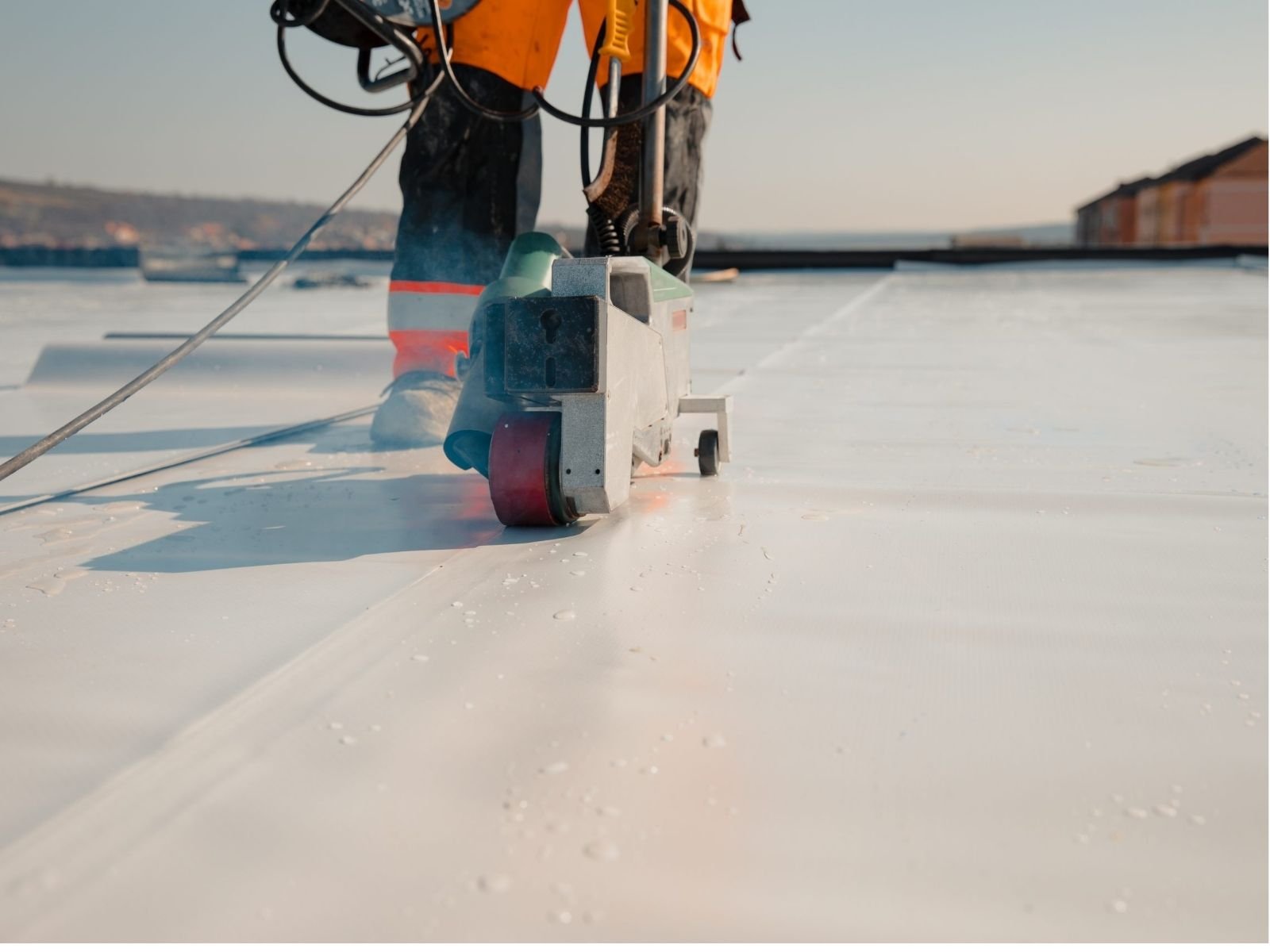
Waterproofing is one of the most critical — and most overlooked — aspects of Singapore renovation. Get it right, and your bathroom stays leak-free for 10+ years. Get it wrong, and you’re looking at water damage claims, strained relationships with your downstairs neighbour, and expensive remediation works.
This guide covers everything Singapore homeowners need to know about waterproofing for bathrooms, roofs, and other wet areas.
When Is Waterproofing Required in Singapore?
Under HDB renovation guidelines, waterproofing membrane replacement is mandatory whenever bathroom floor tiles are hacked and replaced. For condos, individual MCST rules apply, but the principle is the same — any wet area disturbed during renovation must have a new waterproofing membrane applied before new tiles go down.
Waterproofing should be done (or inspected) in these situations:
- Bathroom renovation (any floor tile hacking)
- Kitchen wet area renovation
- Roof terrace or balcony works
- Planters and garden areas on upper floors
- Water feature installation
- Any evidence of water staining on your ceiling from upstairs
Waterproofing Costs Singapore 2026
| Area | Typical Size | Cost Range |
|---|---|---|
| HDB bathroom (floor only) | 25–50 sqft | $500 – $1,500 |
| HDB bathroom (floor + walls to 300mm) | 25–50 sqft + walls | $800 – $2,000 |
| Kitchen wet area (floor) | 30–60 sqft | $600 – $1,500 |
| Condo bathroom (floor + full-height walls) | 50–100 sqft | $1,200 – $3,500 |
| Roof terrace / flat roof | Per sqft | $8 – $18 psf |
| Balcony waterproofing | 30–80 sqft | $800 – $2,500 |
| Planter boxes | Per linear ft | $150 – $350 /lft |
Indicative 2026 Singapore pricing. Cost includes surface preparation, primer, membrane application, and protection layer. Tile installation is additional.
Types of Waterproofing Membrane Used in Singapore
Cementitious Waterproofing (Most Common)
A cement-based waterproofing compound applied in two coats. Mixed on site and brush- or trowel-applied to the substrate. Very common in Singapore HDB renovation because it bonds well to concrete, is easy to apply, and can be walked on and tiled over after curing.
- Good adhesion to concrete
- Breathable — allows slight vapour movement
- Relatively affordable
- Must be used with a screed protection layer before tiling
Polyurethane (PU) Membrane
A liquid membrane applied in multiple coats that cures to form a seamless, flexible waterproofing layer. More expensive than cementitious but provides superior flexibility — it moves with the structure, reducing the risk of cracking over time. Recommended for roof terraces and areas with significant thermal movement.
Bituminous Membrane (Torch-on)
Rolls of bitumen-impregnated felt torched onto the substrate. The most robust system for roof waterproofing. Used on flat roofs, roof terraces, and commercial applications. Not typically used indoors.
Crystal (Crystalline) Waterproofing
Penetrates the concrete substrate and forms crystals that block water passage. Can be applied from either the positive (wet) side or negative (dry) side — useful when access to the wet side is difficult. Often used for remedial waterproofing without hacking.
The HDB Waterproofing Mandate: What You Must Know
HDB’s mandatory waterproofing requirements for bathroom renovation:
- Waterproofing must be applied to the entire bathroom floor area, including a minimum 300mm upturn on all walls
- A waterproofing test (flood test) — filling the bathroom floor with water for 24 hours — is required before tiling. This is to confirm the membrane holds before it’s permanently covered with tiles.
- The contractor must notify the owner of the unit below before waterproofing works begin
- A waterproofing warranty should be provided by the contractor
How Long Does Waterproofing Take?
- Surface preparation: half day
- Primer coat: 1 day (must cure before membrane)
- First membrane coat: 1 day
- Second membrane coat: 1 day
- Cure time before flood test: 24–48 hours
- Flood test: 24 hours
- Protection screed before tiling: 1 day
Total: approximately 5–7 days before tiling can begin. This is why bathroom renovation takes longer than many homeowners expect.
Remediating an Existing Leak
If your bathroom is leaking into the unit below (evidenced by water stains on your neighbour’s ceiling), the proper solution is:
- Identify the source of the leak (floor, walls, pipe joints)
- Hack the floor tiles in the affected area (or the full bathroom for a thorough fix)
- Apply new waterproofing membrane
- Re-tile and seal all joints
Injecting silicone sealant from below (into your neighbour’s ceiling) is a temporary patch — it addresses the symptom but not the cause and will fail again.
Waterproofing Services from Unique Interior Design
Unique Interior Design Pte Ltd provides professional waterproofing for HDB bathrooms, condo bathrooms, roof terraces, and kitchen wet areas across Singapore. All waterproofing work comes with a warranty certificate.
Learn more about our waterproofing services or contact us for a free assessment and quote.
Ready to get it done? See our waterproofing services in Singapore — a direct contractor with an in-house team and clear, itemised quotes.
Planning a project?
Get a free, no-obligation quote from the team that does the work.
Chat on WhatsApp