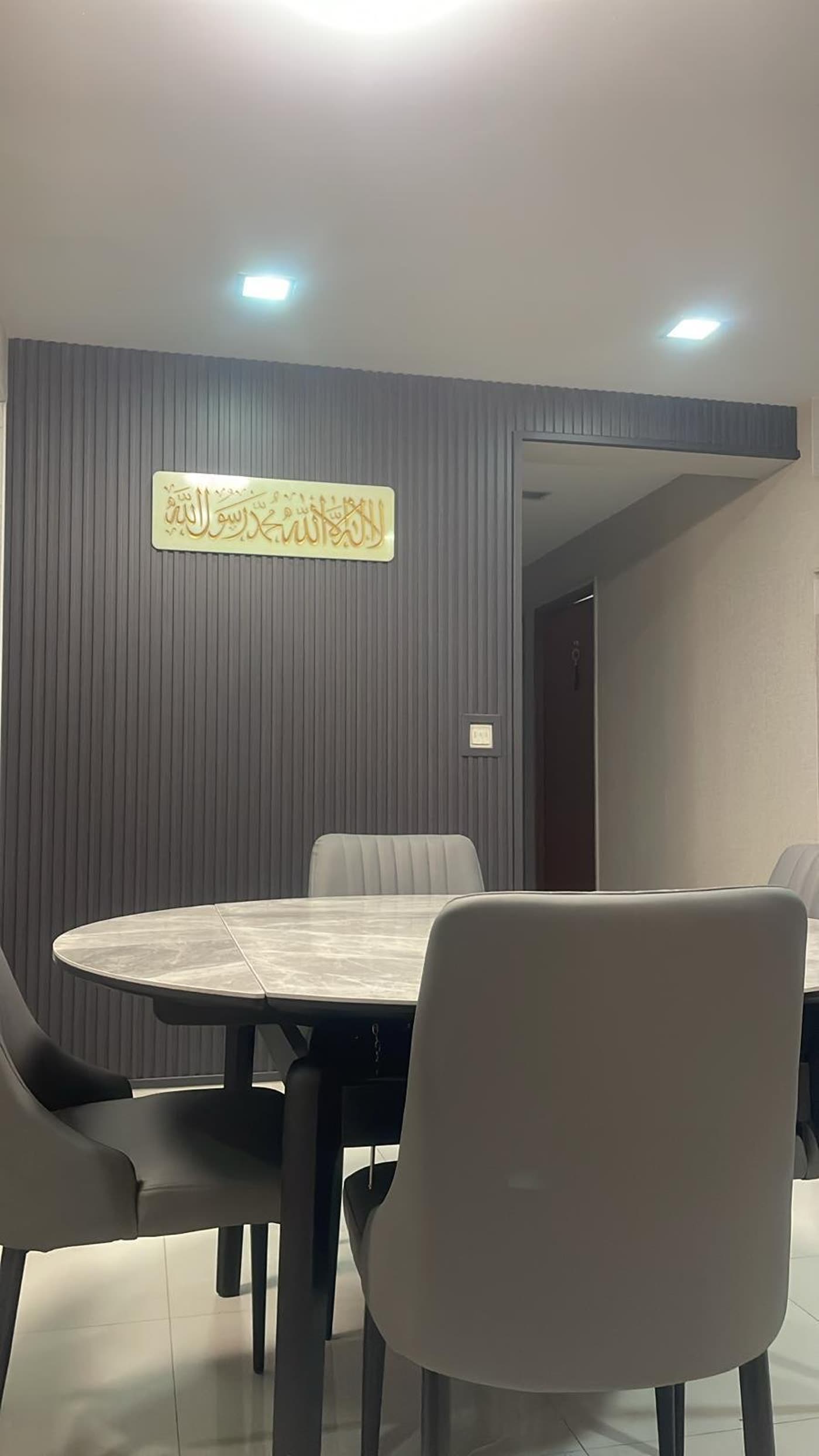
A feature wall is the fastest way to give a room character — but the material you choose changes the look, the upkeep and the cost. Here are the main options in 2026 and how they compare.
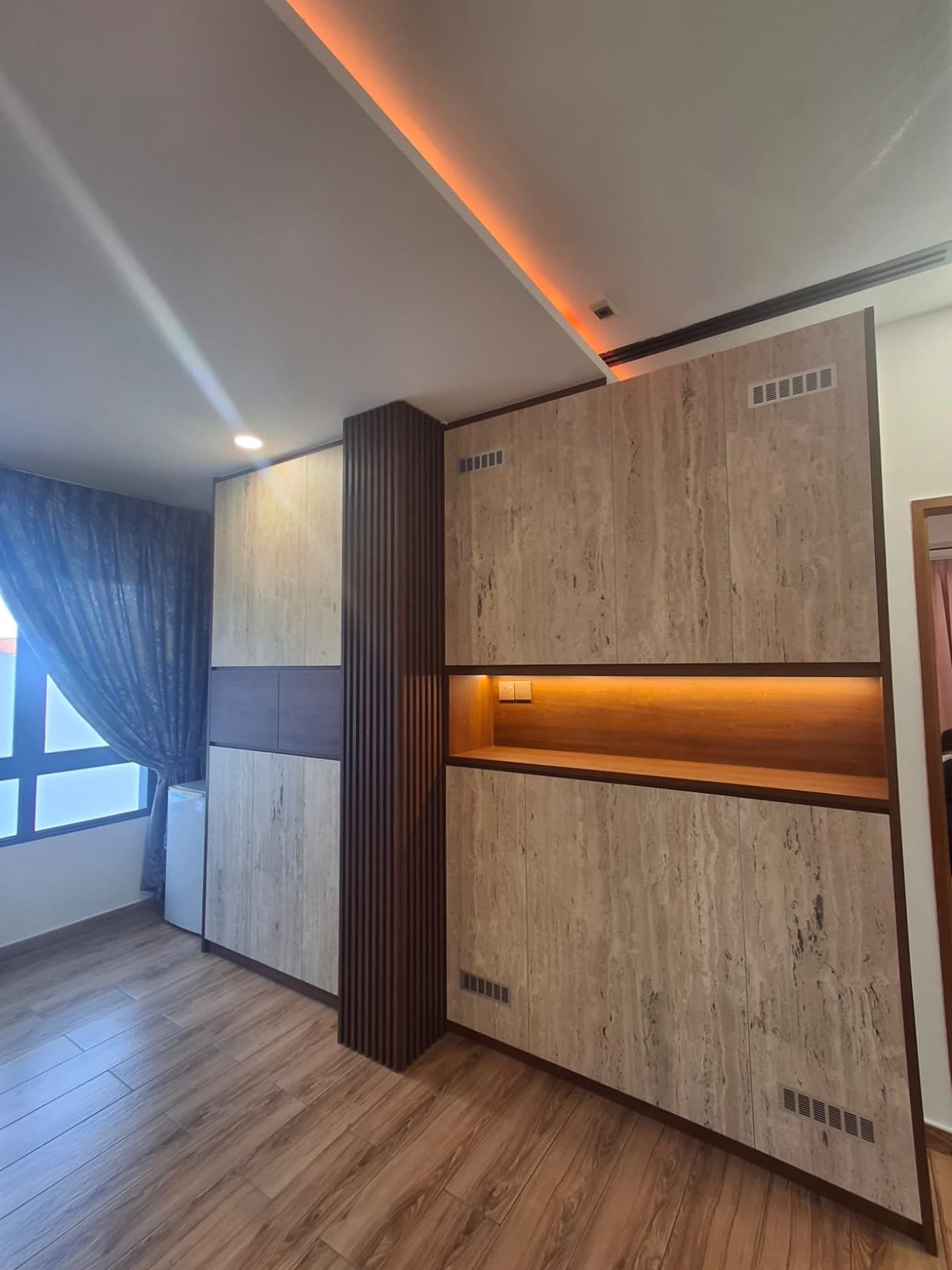
Feature wall materials compared
| Material | Look | Upkeep | Cost tier |
|---|---|---|---|
| WPC fluted panel | Warm, ribbed, premium | Low | $$ |
| Solid timber | Warmest, natural | Higher | $$$ |
| Off-form concrete | Raw, industrial | Low | $$–$$$ |
| Paint / texture | Flat or subtle | Low | $ |
| Stone / marble | Luxe, statement | Low | $$$ |
What makes one look great
- Lighting that rakes across the surface to bring out texture.
- Clean detailing — considered start/stop points, neat corners.
- The right spot — TV walls, headboards, entryways, reception backdrops.
The material is only half of it — the detailing and lighting are what separate a good feature wall from a great one. Plan them together, not as an afterthought.
Which is most popular?
WPC fluted panels — warm and textured, moisture-resistant, and faster to install than solid timber. See our dedicated cost guide.
Can a feature wall hide wiring?
Yes — panelled and concrete feature walls are a good way to conceal TV cabling and conduits cleanly.
Are feature walls expensive?
They range widely — paint is cheap, stone is premium. Most homeowners land on WPC or wood panelling for the best look-to-cost balance.
Read the WPC fluted panel cost guide or the off-form concrete guide.
The direct-contractor advantage: we're the renovation contractor, not a middleman — our own team does the work, so you're not paying a designer's markup on labour. More of your budget goes into materials and finishes.